
The Handcrafted Processes Behind a Wooden Furniture Product
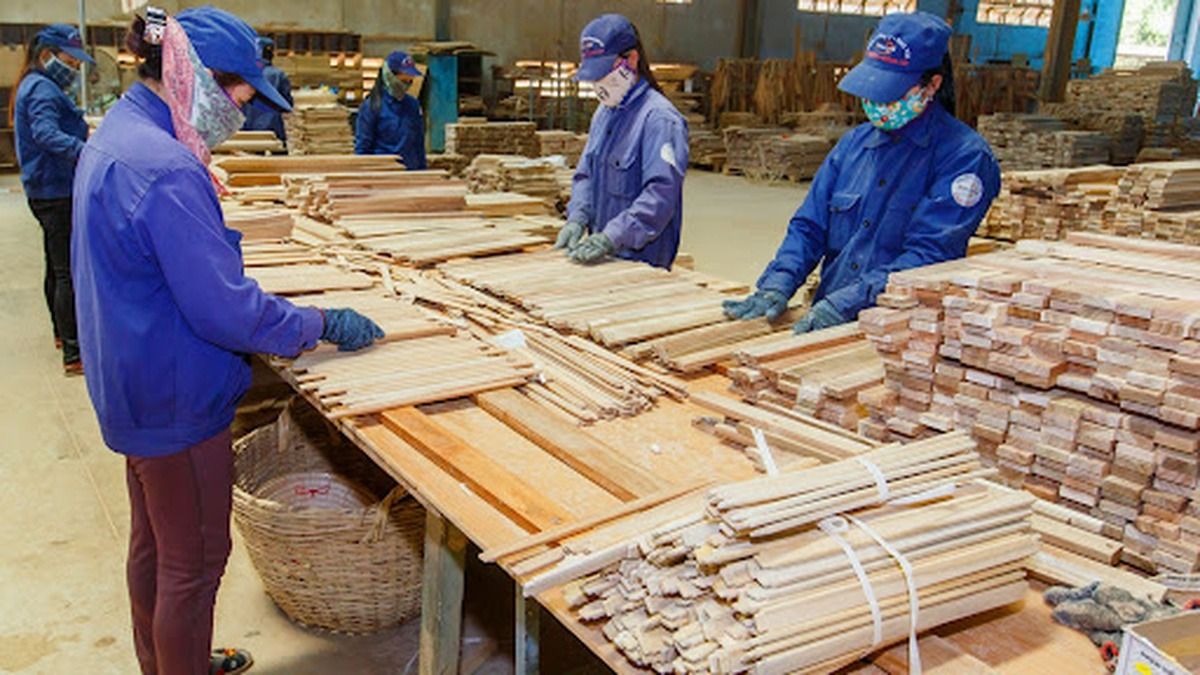
When a teak dining set or an acacia wood kitchen cabinet is packed and loaded into a shipping container for export to the United States or Europe, people often see only the finished product. Yet behind every smooth wood grain, every sturdy joint, and every polished finish lies a series of meticulous handcrafted processes, where the hands of skilled workers play a decisive role.
At Phu Tai's factories, modern machinery can handle heavy-duty tasks and operations that require high precision. However, certain processes cannot be entirely replaced by machines. These are the stages where experience, an eye for aesthetics, and the craftsmanship of skilled workers bring life and character to each product.
Wood Selection and Grading: The Craftsman's Trained Eye
The first stage in producing any wooden furniture product is selecting the raw materials. At Phu Tai, wood is sourced from plantation forests that meet established standards, but no two pieces of timber are exactly alike. Experienced workers personally inspect each piece of wood, evaluating its moisture content, grain direction, color, and natural defects.
Machines can measure moisture content and dimensions, but only human judgment can determine which piece of wood will produce the most attractive grain pattern, which is best suited for a tabletop, and which should be used for internal structures. The craftsman's role at this stage is to ensure that only the finest materials enter production, directly influencing the quality and lifespan of the finished product.
Crafting and Shaping: Precision Down to the Millimeter
Once the raw materials have been selected, the wood is processed and shaped. CNC machines can cut, drill, and shape components with high precision, but machine operators remain responsible for controlling the entire process. They adjust machine settings, inspect every cut, and ensure that all components fit together perfectly.
At this stage, the craftsman's skill is most evident in the joints. A handcrafted mortise-and-tenon joint made by an experienced craftsman can be stronger and more aesthetically pleasing than a joint produced entirely by machines.
Sanding and Surface Finishing: The Sense of Touch
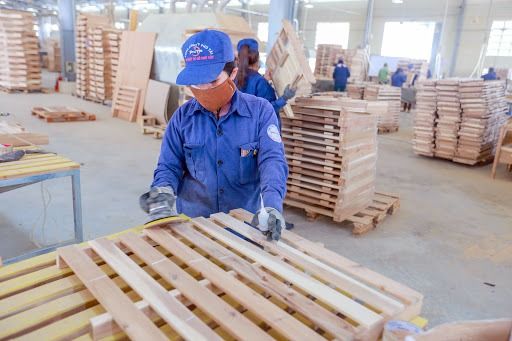
This is one of the stages that requires the greatest patience and sensitivity. After the product has been initially assembled, craftsmen sand its surfaces using different grades of sandpaper, progressing from coarse to fine. Machines can assist with flat surfaces, but corners, curves, and small details still require the skilled hands of workers.
Craftsmen rely not only on their eyes but also on their fingertips. They run their hands across the wood surface to detect rough fibers and tiny scratches that may be invisible to the naked eye. It is this meticulous attention to detail that creates the smooth, pleasant feel of the finished product — an important quality highly valued by American and European consumers in premium furniture.
Quality Inspection and Packaging: The Final Gatekeepers
Before products are packaged and exported, they must pass through the Quality Control (QC) department. Here, QC inspectors carefully examine every detail: joint strength, color consistency, dimensional accuracy, and surface finish quality. They serve as the final gatekeepers, ensuring that products meet the stringent standards of export markets.
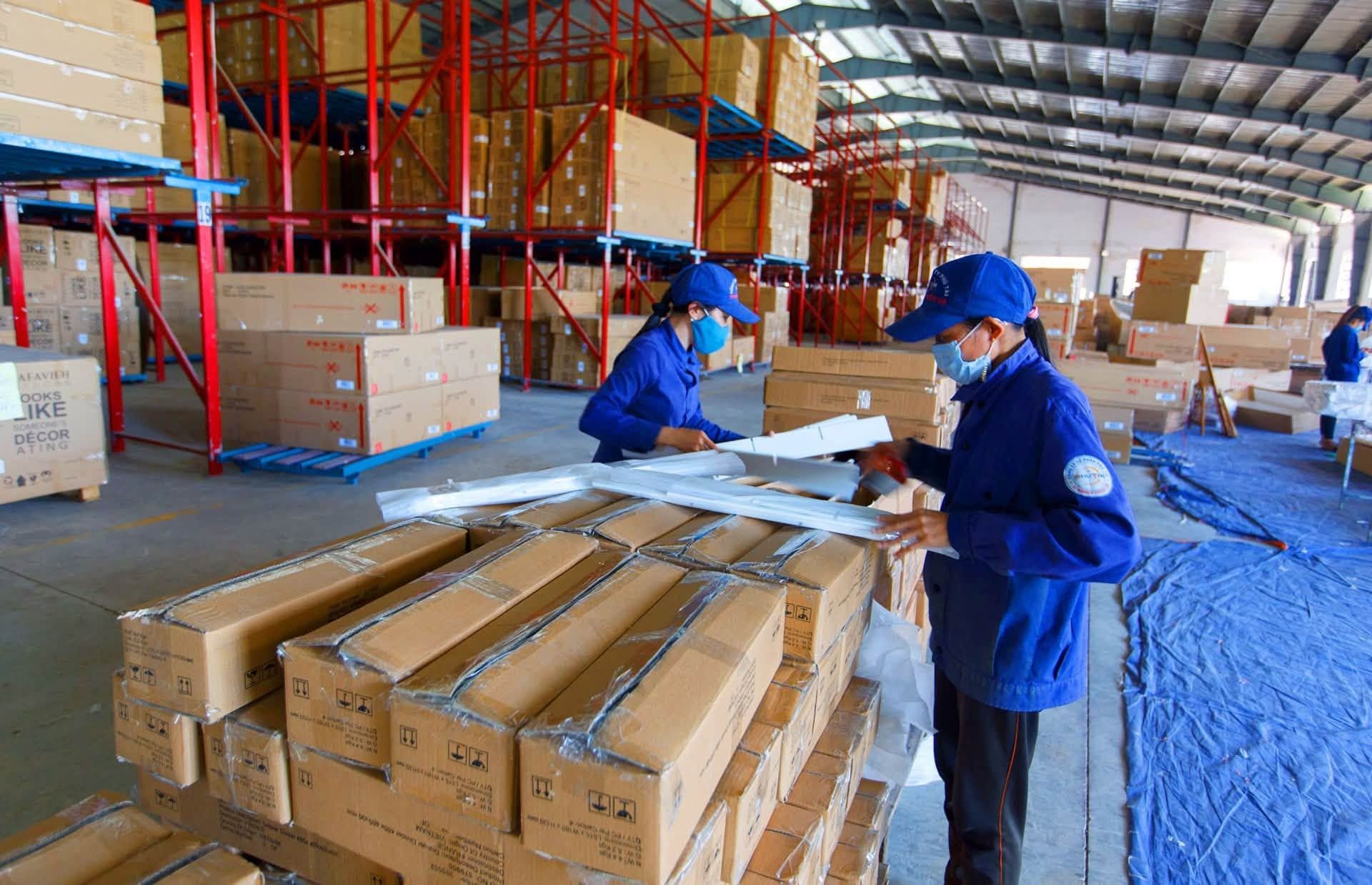
The packaging stage is equally important. For ready-to-assemble (RTA) furniture intended for the U.S. market, workers must carefully arrange each component, accessory, and assembly instruction inside carton boxes to ensure compactness, safety, and efficient use of shipping space. Even a small packaging error can result in product damage or complaints from overseas customers.
Conclusion: People Make the Difference
A Phu Tai wooden furniture product may be made from teak, eucalyptus, or acacia wood. It may be manufactured using modern CNC production lines. However, the factor that ultimately determines its quality lies in the hands and trained eyes of the workers directly involved in production.
They are the wood selectors, machine operators, sanding craftsmen, and quality inspectors. Without them, machines would be nothing more than lifeless equipment. It is their skill, experience, and dedication that create products trusted by customers around the world.
Behind every Phu Tai wooden furniture product is a story about people — the dedicated individuals working quietly behind the scenes to create lasting value for a Vietnamese brand in the international market.
Tin tức liên quan

CONTACT US