
Why Is Disassembly and Reassembly Important for Indoor and Outdoor Furniture?
If you think that "knock-down furniture" is a concept that originated with IKEA in the 1950s, you have overlooked nearly a century of history.
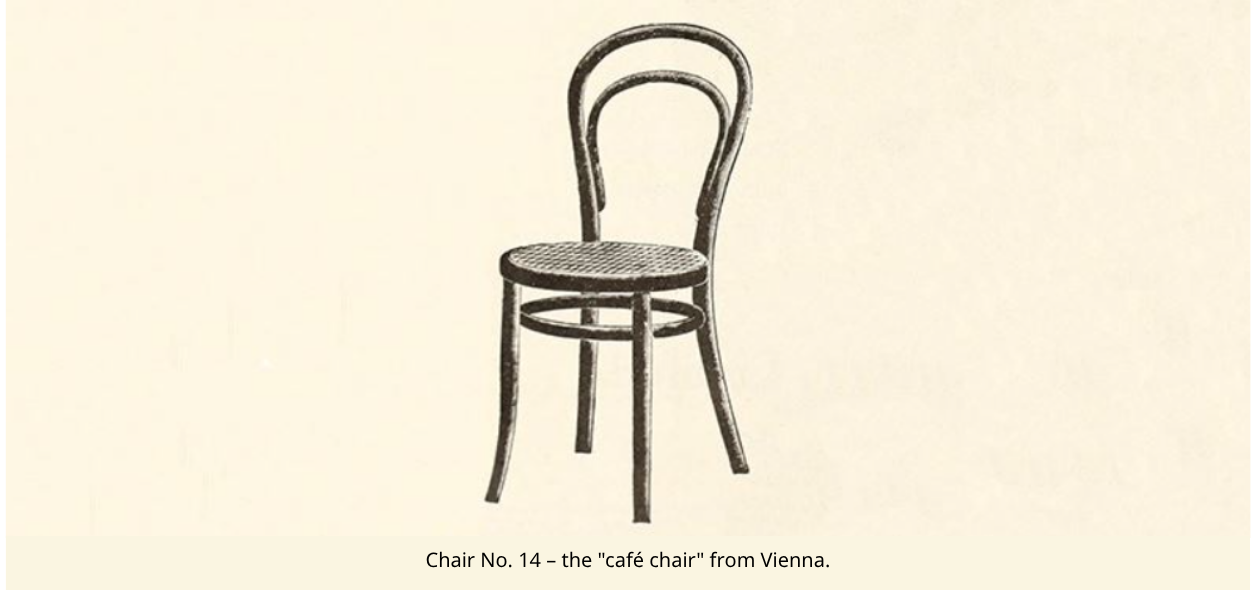
In 1859, Michael Thonet — a German-Austrian cabinetmaker — introduced Chair No. 14, also known as the "Vienna Café Chair." What made it remarkable was not simply its steam-bent beechwood design, but the way it was brought to the world: each chair consisted of just six steam-bent wooden components, assembled using ten screws and two nuts, allowing it to be disassembled and flat-packed for transportation. Thirty-six disassembled chairs could fit into a single cubic meter. Buyers anywhere in the world could reassemble them using nothing more than a screwdriver.
Between 1859 and 1930, 50 million Chair No. 14 units were sold worldwide. Le Corbusier — the legendary 20th-century architect — once described it as: "Never has a better, more elegant, and more practical design been created."
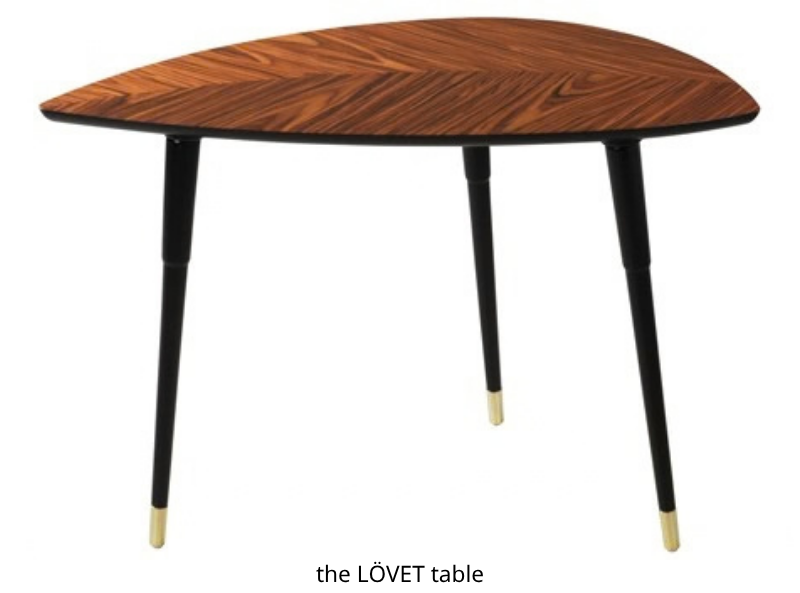
Nearly a century later, in 1956, an IKEA designer named Gillis Lundgren removed the legs from the LÖVET table to make it fit into his car trunk. This accidental act gave rise to the concept of "flat-pack" furniture, which is now closely associated with IKEA worldwide. However, the underlying idea of disassembling furniture for transportation and reassembling it at its destination had already existed 97 years earlier.
So why does this story still matter — and perhaps more than ever — to furniture buyers today? The answer lies in the fact that the need for disassembly and reassembly has not disappeared. It has simply evolved from a manufacturer's logistics solution into a consumer lifestyle solution.
The Buyer's Challenges: Three Unavoidable Pain Points
Pain Point 1: Transportation
Consumers today are increasingly purchasing furniture through online channels. However, furniture is inherently bulky — a fully assembled sofa may not fit through an elevator door, while a solid dining table may not fit inside a car trunk. If a product cannot be disassembled, transportation costs can increase significantly, forcing buyers to hire specialized delivery services.
This is precisely the problem Thonet addressed in 1859 and IKEA addressed in 1956. However, in the context of e-commerce, the issue has become even more significant: buyers cannot physically inspect products before purchasing them, and they expect products to be delivered directly to their doorsteps.
Pain Point 2: Assembly
Not everyone has the skills of a carpenter. Complicated assembly instructions, missing screws, and misaligned pre-drilled holes are all experiences that leave buyers disappointed. Good disassembly and reassembly design is not simply about making a product capable of being taken apart; it is about making the process of disassembly and assembly easy.
In fact, the home furniture assembly service industry emerged precisely because of this issue: consumers are willing to pay for someone to come to their homes and assemble furniture on their behalf.
Pain Point 3: Storage and Relocation
This is a challenge that previous generations encountered less frequently, but one that Millennials and Gen Z face every day. Young people today change their living arrangements more frequently. They rent homes, relocate to different cities for work, and move to new apartments when rental prices increase. A solid, non-disassemblable cabinet can become a burden every time they move.
A 1946 description of Swedish furniture captured this idea precisely:
"You buy each piece of furniture in a cardboard box, complete and ready for assembly… And of course, you can easily disassemble and repack it, which simplifies the problem of moving house."
From "Buyer's Challenges" to "Design Solutions"
Disassembly and reassembly design addresses all three of these pain points simultaneously. However, the way it achieves this has evolved significantly since the 19th century. Today, three design objectives can coexist:
Optimizing Transportation and Storage
During the period 1959–1950, the sole objective was to reduce logistics costs. Thonet was not concerned with whether buyers enjoyed assembling the chairs — he simply needed to ensure that the chairs could reach cafés in Vienna at the lowest possible cost. Assembly was generally carried out by craftsmen or warehouse employees, rather than end users.
This principle continues to influence the furniture industry today, as optimizing products for packaging and transportation remains essential for manufacturers seeking to reduce costs.
Simplifying the Assembly Process
IKEA transferred the assembly process directly to consumers. This marked a major turning point: buyers not only saved costs but also gained the experience of assembling products themselves.
However, furniture design during this period remained heavily technical, relying on pre-drilled holes, screws, and Allen keys. Buyers still had to "work" to obtain their finished furniture.
Increasing Product Adjustability, Expandability, and Reconfiguration
This is where the story becomes interesting. Today's buyers no longer want to disassemble furniture solely for transportation — they want to take it apart to modify, expand, downsize, and reconfigure their living spaces.
Modular furniture is the clearest expression of this trend. A sofa can be separated into two armchairs, combined into a sectional sofa, or expanded with additional modules to become a bed. A storage system can be extended horizontally, adjusted in height, or disassembled section by section and moved to another room.
The Impact of This Trend
There is a common misconception that "disassembly and reassembly" is only relevant to the budget furniture segment. However, the reality suggests otherwise.
According to the Ready To Assemble (RTA) Furniture Market Report 2026, the global RTA furniture market reached USD 15.91 billion in 2025 and is projected to reach USD 17.02 billion in 2026, growing at an annual rate of 7%. Key growth drivers include urbanization, demand for rental housing, the growth of online furniture retail, and increasing consumer preferences for modular and multifunctional furniture.
Notably, premium brands are also moving in this direction. COR's Conseta sofa from Germany, launched in 1964, was introduced by being disassembled in front of dealers to demonstrate the flexibility of its modular system. Today, systems such as USM Haller from Switzerland remain benchmarks in premium modular furniture: they can be disassembled, reconfigured, and expanded over several decades without losing their value.
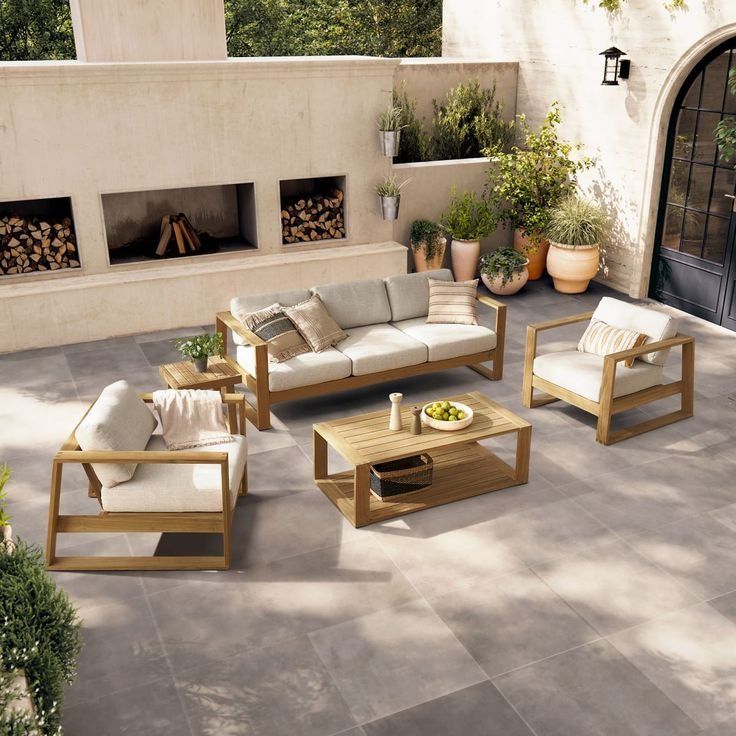
For outdoor furniture, the need for disassembly and reassembly should also be considered an essential product feature. Outdoor products must withstand rain and sunlight, but they also need to be disassembled and stored during winter in markets with four distinct seasons. A garden furniture set that cannot be disassembled will occupy valuable space in a garage or storage room throughout the cold season. And when buyers move house, they want to take their furniture with them — not leave it behind.
Implications for Phu Tai and Its B2B Partners
Phu Tai, with its manufacturing facilities serving the US and EU markets, has a natural advantage in meeting its partners' requirements.
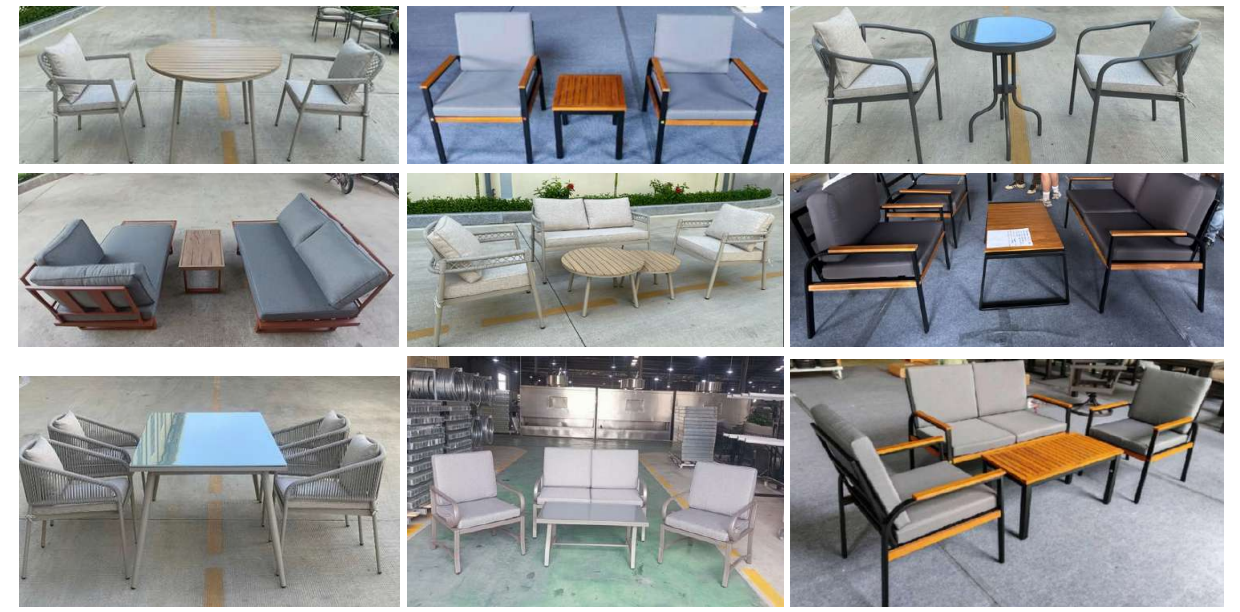
The outdoor furniture products manufactured by Thang Loi Factory combine materials such as acacia, teak, and eucalyptus wood with wicker and rope. This combination of materials allows disassembly to be incorporated into the frame structure without compromising durability.
With export experience in markets that experience four distinct seasons, Phu Tai is familiar with the storage and transportation requirements of Western consumers.
Disassembly and reassembly have evolved from a purely logistical solution (1859), to a user experience (1956), and ultimately into a philosophy of flexible living today.
For modern furniture buyers — particularly younger generations living in smaller spaces, renting homes, and frequently relocating — disassemblable furniture is no longer an "additional feature" but a prerequisite.
For furniture brands seeking manufacturing partners, this represents an opportunity to differentiate their products not only through pricing but also through their ability to adapt to end users' lifestyles.
And this is where Phu Tai can deliver real value — not merely as a manufacturing facility, but as a co-design partner in developing flexible solutions for the global market.
Tin tức liên quan
CONTACT US