Wood + Metal: Why Does the Combination of Two Materials Appear in Outdoor Furniture?
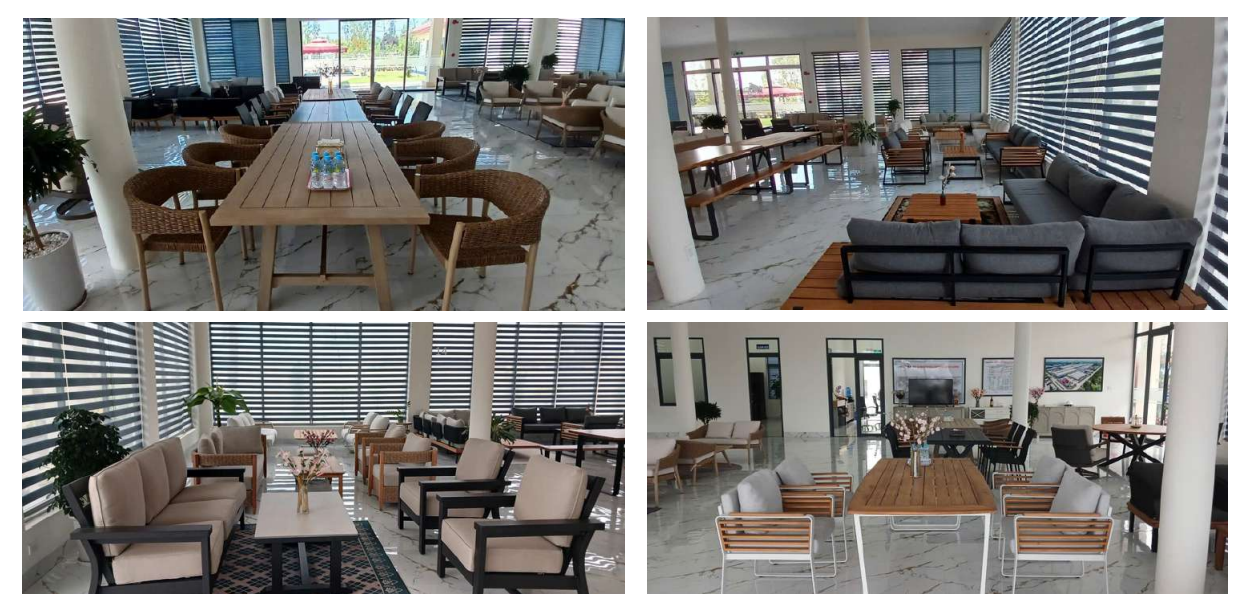
In outdoor furniture design, very few products use only a single material. Wood and metal are two materials that appear side by side in most garden furniture sets, chaise lounges, and outdoor dining tables on the international market. So, what makes this combination an almost default choice in the outdoor furniture industry?
The answer lies in the fact that each material has its own role, and when placed together, they complement each other in ways that no single material can achieve.
The Role of Wood in Outdoor Furniture
Wood in outdoor furniture does not simply provide natural beauty; it also serves specific technical functions.
Natural weather resistance. Hardwoods such as teak, eucalyptus, and acacia have high levels of natural oils, which help resist rot, moisture, and insects without requiring complex chemical treatments. Teak is particularly regarded as a “rot-proof” wood, with outstanding resistance to outdoor conditions. Over time, teak gradually develops a silvery-gray color — a weathered appearance that is favored by many designers.
Warm and comfortable feel. Unlike metal, wood transfers heat slowly, so when it comes into direct contact with the user’s skin, its surface does not feel scorching hot in summer or freezing cold in winter. This is why wood is often used for parts that come into direct contact with the body, such as seat surfaces, armrests, and tabletops.
Natural aesthetics. Wood grain creates a visual depth that metal can hardly replace. In outdoor furniture sets, wood often serves as a “warm accent” within a cool metal structure, helping the overall product feel more balanced and approachable.
The Role of Metal in Outdoor Furniture
If wood provides the “soul” of the product, metal provides the “skeleton.”
Structure and stability. Metal frames — typically made of aluminum or steel — are responsible for creating the load-bearing structure of the entire product. Aluminum offers the advantages of being lightweight, naturally corrosion-resistant, and rust-free, while steel provides greater rigidity and load-bearing capacity. This combination allows products to maintain their shape and stability through multiple seasons without warping or deforming.
Corrosion resistance. Metals used in outdoor furniture are commonly surface-treated with powder coating or hot-dip galvanizing, creating a protective layer against rust and UV exposure. Aluminum is particularly suitable for humid environments thanks to its natural resistance to oxidation.
Flexible shaping capabilities. Metal can be bent, cast, and welded into structural forms that are difficult to achieve with wood — from the soft curves of chair arms to complex load-bearing frames. This creates a much broader design space than using solid wood alone.
Why Is Combining Wood and Metal an Optimal Choice?
When the two materials are placed together in the same product, they do not simply add up their individual advantages; they also create a synergistic effect in both technical performance and aesthetics.
1. Balancing warm and cool, soft and hard. Wood brings a warm, natural feel; metal brings strength and a modern appearance. This combination creates a design language that is “sturdy without being rigid” — the metal structure ensures durability, while wood softens the overall appearance through its material and warm tones.
2. Optimizing functionality for each component. Instead of imposing a single material across the entire product, designers can allocate materials according to function: metal for the load-bearing frame and wood for the parts that come into contact with the user. This approach ensures structural durability while optimizing the user experience.
3. Reducing overall maintenance costs. Natural wood requires periodic maintenance — cleaning and oiling — to preserve its appearance. Powder-coated metal requires very little maintenance. When combined, the metal reduces the amount of wood that needs care, extending the overall product lifespan and reducing lifecycle costs.
4. Expanding design possibilities. Metal allows frames to be formed with high precision; wood provides surfaces with natural grain and color. The combination opens up almost limitless creative possibilities — from minimalist dining sets with wooden tops and slender steel legs to outdoor sofa sets with curved aluminum frames and natural wood elements.
Thang Loi Factory — Where Wood and Metal Meet in Large-Scale Manufacturing
Within the production system of Phu Tai Joint Stock Company, Thang Loi Factory is the unit specializing in outdoor wooden furniture — where the combination of wood and metal is implemented on an industrial scale.
Thang Loi Factory was established in 1980, officially merged into Phu Tai in 1999, and currently operates a factory in Tuy Phuoc Commune, Gia Lai Province, with a total area of 136,800 m². The factory is equipped with high-tech production lines and machinery imported from Taiwan and the EU, along with a workforce of more than 1,500 employees experienced in production management and woodworking craftsmanship.
One notable feature is that Thang Loi does not only manufacture purely wooden furniture. The factory’s material portfolio includes Teak, Eucalyptus, and Acacia combined with rope, wicker, metal, and other materials. Thang Loi’s outdoor products are made from wood combined with fabric, wicker, iron, aluminum, and stone — following the material combination principle described above.
The combination of wood and metal in outdoor furniture is not a temporary trend, but rather the result of a process of material optimization based on a deep understanding of the characteristics of each material. Wood provides warmth, natural aesthetics, and a comfortable tactile experience; metal provides structural integrity, durability, and weather resistance. When placed together, they create products that are both sturdy and inviting — something that no single material can achieve on its own.
With Thang Loi Factory, Phu Tai has mastered this combination on an industrial scale, serving some of the most demanding export markets. If you are looking for an OEM/ODM outdoor furniture manufacturing partner, contact Phu Tai for consultation on material solutions suitable for your market.
Tin tức liên quan

.jpg?prefix=media)
CONTACT US